
Recently, at an amateur boxing exchange event, a pair of new smart boxing gloves worn by a competitor drew attention. While identical in appearance to traditional gloves, these are embedded with sensors that can capture and analyze punch speed, force, impact points, and frequency in real time. The data syncs to a mobile app, providing athletes and coaches with precise quantitative feedback. This marks a significant shift for boxing equipment, moving from pure safety protection into the realm of data-driven, personalized training assistance.

Since their standardization in the late 19th century, the core mission of boxing gloves has always been safety. Modern boxing gloves employ a multi-layer structure: a high-density foam inner layer absorbs impact, a middle layer provides stable support, and a high-quality leather or synthetic outer layer ensures durability. The design protects not only the recipient—reducing facial cuts and the risk of concussion—but also the puncher’s wrist joints and hand bones. Authoritative bodies like the World Boxing Council (WBC) enforce strict certification standards for competition gloves regarding weight and padding, ensuring fairness and safety.
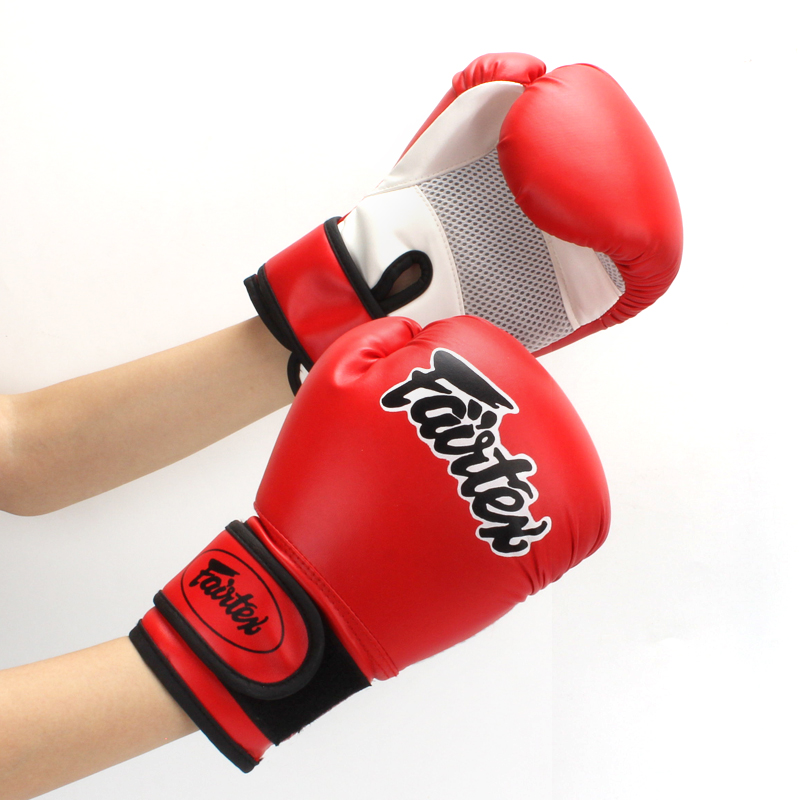
Today, with the proliferation of sports technology, smart gloves are becoming a new tool for both amateur enthusiasts and professional teams. They help correct form, quantify training load, and even use algorithms to assess technical weaknesses, making training more scientific and efficient. However, industry insiders emphasize that technology is an aid, not a core substitute: “No amount of data can replace solid fundamentals and real combat experience. Safety must always come first. No smart feature should compromise the glove’s most basic cushioning and protective properties.”
From pure protection to “protection + intelligence,” the evolution of boxing gloves reflects a dual trajectory in sports equipment development: on one hand, advances in materials and craftsmanship continually reinforce the foundation of safety; on the other, digital technology is opening new dimensions for the detailed management of athletic performance. Looking ahead, the industry will continue to explore how to uphold safety standards while innovating, and how to ensure technology genuinely serves the long-term health and technical growth of athletes.
Post time: Dec-19-2025